Overview
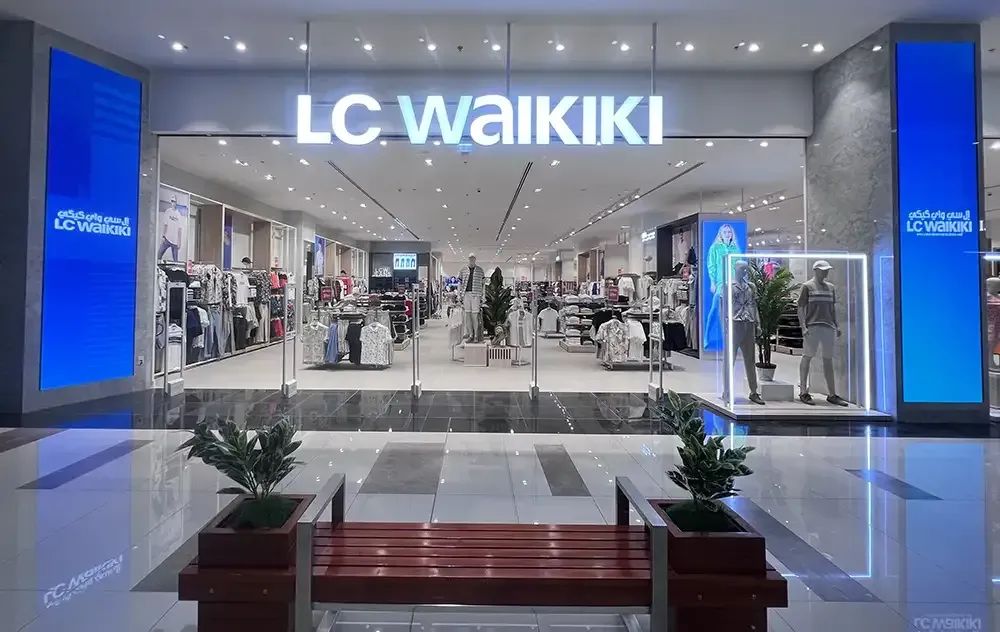
LC Waikiki is a fast-fashion retailer that began in France in 1988 and now runs more than 1,200 stores across 59 countries, with over 55,000 employees. In Malaysia it operates both B2B wholesale and B2C retail, which meant two very different invoicing paths falling under a single LHDN mandate.
The complication was structural. B2B invoices came out of the ERP. B2C invoices came from a POS system that was never built to export structured JSON. Every day, POS receipts from each store had to be transformed into consolidated invoices, formatted correctly, validated, and submitted to LHDN. Two systems, two data shapes, one compliance obligation.
Managing B2B and B2C compliance together is complex. But with Complyance, it's a single view, a single partner, and zero friction.
— Regional IT Lead, LC Waikiki
The Challenge
LC Waikiki had to manage two distinct systems at once. B2B invoices flowed through the ERP, while B2C invoices came from a POS system that could not produce the structured JSON LHDN requires. Every day, receipts from every store had to be consolidated, mapped to LHDN fields, validated, and submitted, without a single break in retail operations.
The Solution
Dual integration flows. For B2B, the ERP integrated with Complyance using JSON-based exports and LHDN field mappings. For B2C, Complyance connected to the POS system through file drops and API callbacks, turning raw receipts into compliant consolidated invoices.
A unified dashboard. Both channels were visible in one place, with real-time tracking of rejections and full submission logs, so the team managed B2B and B2C from a single view instead of two disconnected systems.
The Impact
LC Waikiki reached 100% LHDN compliance across both B2B and B2C with 99.99% data accuracy. Operational efficiency improved by 80%, integration took roughly 10 minutes of data mapping, developer effort dropped by 85% per country rollout, and time spent managing schemas fell by 98%.