Learn to issue e-invoices for profit distribution & foreign income in Malaysia. Understand guidelines for domestic & foreign dividends, staying compliant.
Table of Contents
How to Issue e-Invoices for Profit Distribution & Foreign Income?
Understanding Profit Distribution and E-Invoicing in Malaysia
Profit distribution, such as dividend payments, is a key aspect of corporate finance. In Malaysia, the process for distributing profits and related e-invoicing requirements have specific guidelines to follow. This blog will simplify these concepts and explain how e-invoicing affects both domestic and foreign profit distributions.
Domestic Profit Distribution
In Malaysia, companies distributing profits to shareholders traditionally use dividend vouchers or dividend warrants. With the introduction of e-invoicing, there are updates to these processes:
- Exemptions for Certain Taxpayers: Companies listed on Bursa Malaysia and those not eligible for tax deductions under Section 108 of the Income Tax Act 1967 are exempt from issuing self-billed e-invoices for dividend distributions. This means they can continue using their existing processes, like issuing dividend vouchers or warrants.
- Requirements for Other Taxpayers: Taxpayers not covered by the exemption must issue self-billed e-invoices to document the dividend distribution. The self-billed e-invoice serves as proof of income for the recipient.
Steps for Issuing a Self-Billed E-Invoice
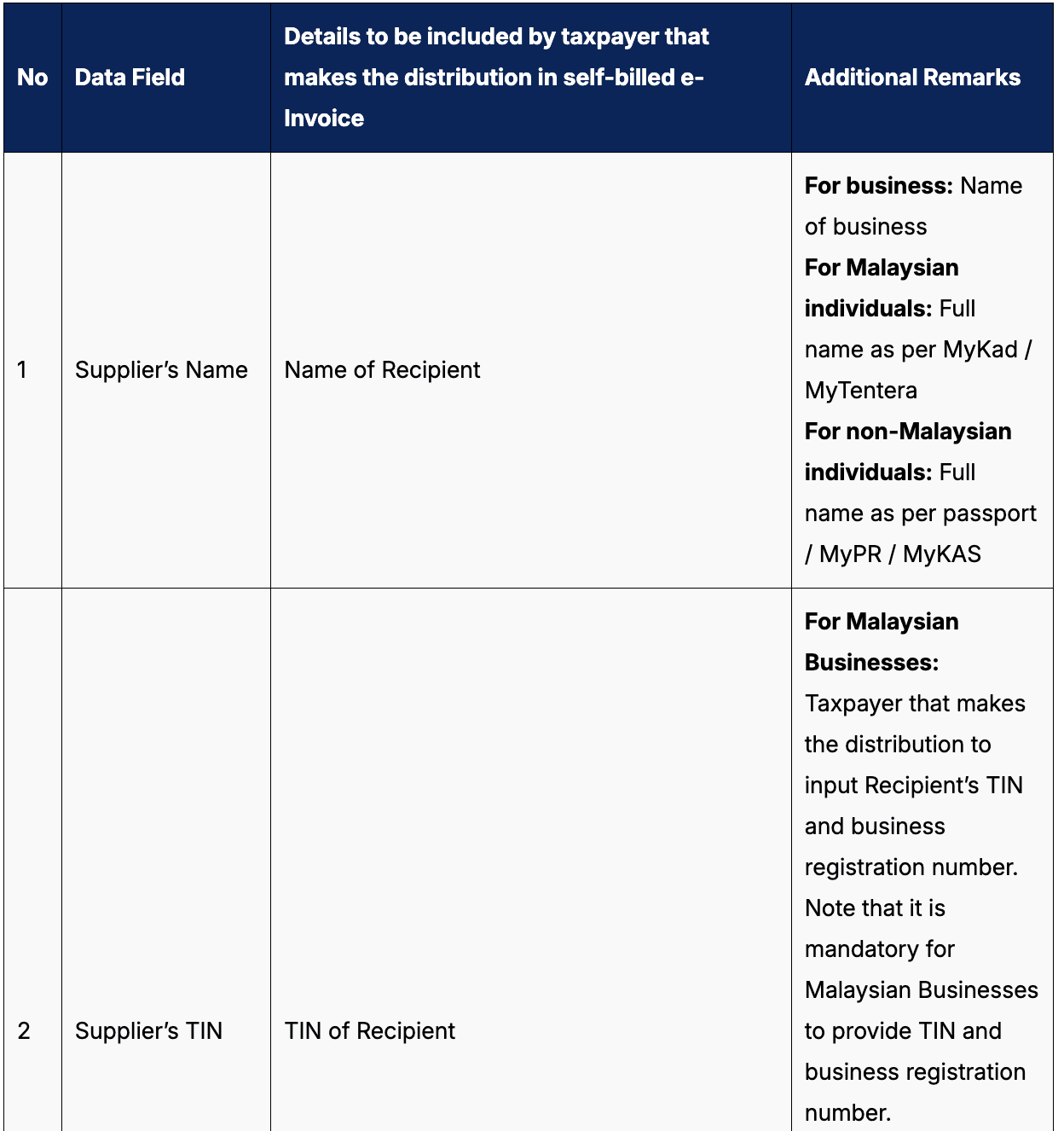
- Issuing Dividend Voucher: When a profit, such as a dividend, is paid or credited, the taxpayer making the distribution will issue a dividend voucher to the recipient.
- Self-Billed E-Invoice: The distributor must then act as the Supplier and issue a self-billed e-invoice to the recipient.
- Completing the E-Invoice: Fill out the required fields in the e-invoice as specified in the e-Invoice Guideline, following the process detailed in the MyInvois Portal or via API.
Foreign Profit Distribution
For foreign profits or dividends received in Malaysia:
- E-Invoice Requirement: The recipient must issue an e-invoice to document the income for tax purposes.
- Roles in E-Invoicing: In this scenario, the recipient of the profit or dividend is the Supplier, and the foreign distributor is the Buyer.
- E-Invoicing Process: Follow the detailed e-invoice workflow as outlined in the e-Invoice Guideline for both the MyInvois Portal and API models.
Foreign Income
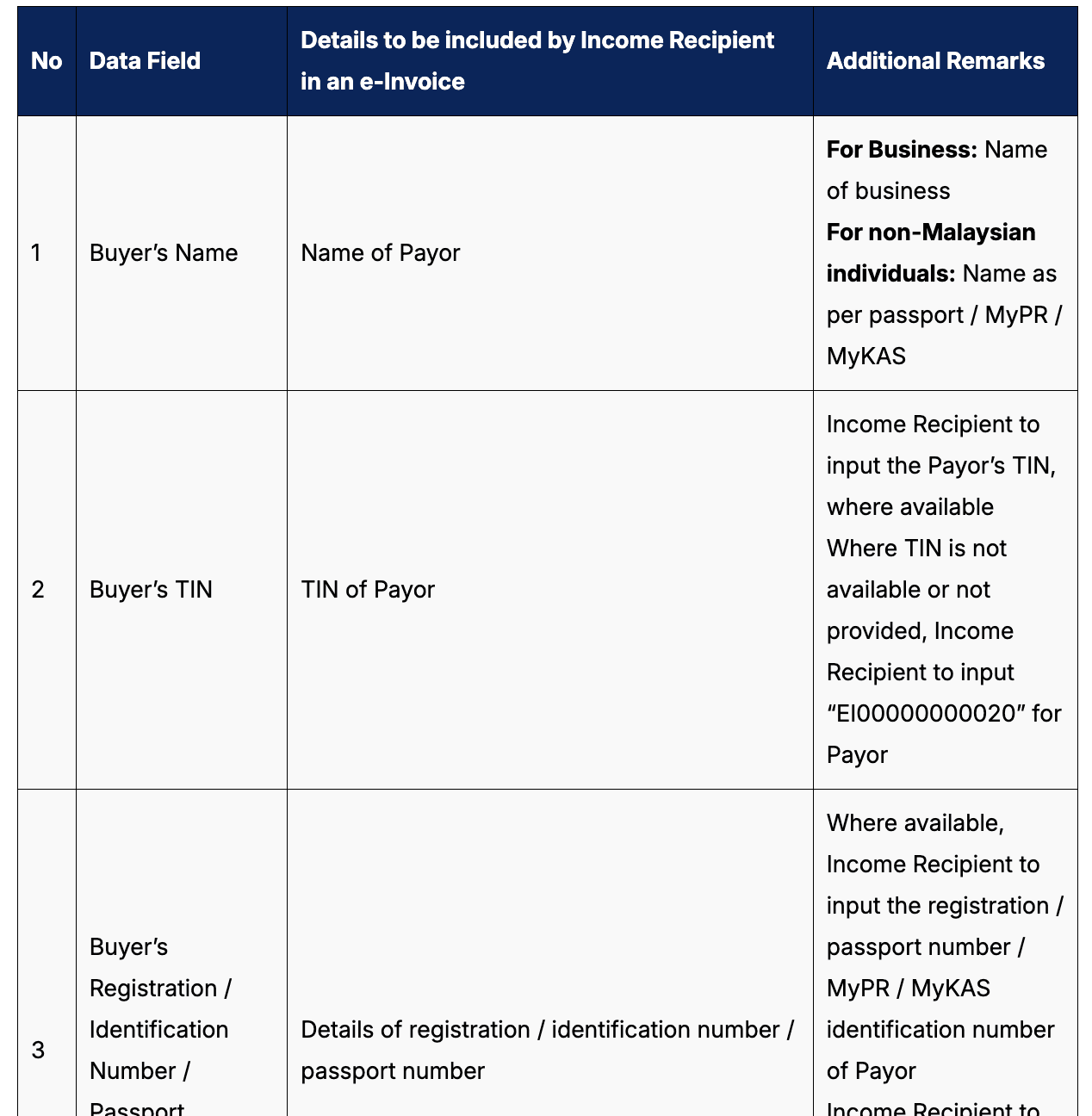
An e-Invoice is required for all foreign income received in Malaysia from outside the country as proof of income for tax purposes. Here are the steps and roles involved:
- Roles for E-Invoicing:
- Supplier: Recipient of the foreign income (referred to as "Income Recipient").
- Buyer: Person who makes payment to the Income Recipient (referred to as "Payor").
- Issuance Process:
- The process of issuing an e-Invoice for foreign income is similar to the issuance of an e-Invoice involving a Malaysian Supplier and Foreign Buyer.
- The Income Recipient should issue the e-Invoice by the end of the month following the month of receipt of the foreign income.
- Required Information:
- The information required to be included in the e-Invoice should assist the Income Recipient in issuing the e-Invoice accurately.
Conclusion
Understanding profit distribution and the associated e-invoicing requirements ensures compliance with Malaysian regulations and streamlines financial processes. Whether dealing with domestic or foreign distributions, following the correct procedures helps maintain smooth operations and proper documentation.
About the Author

Ajith Kumar
Im a skilled content writer and SEO expert crafting engaging articles that rank. Passionate about making complex topics clear, discoverable, and valuable to readers.Dedicated to driving organic growth through high-quality, search-optimized content